



Navigating the Complexity of Diverse Halal Regulations Across Southeast Asia
Table of Contents
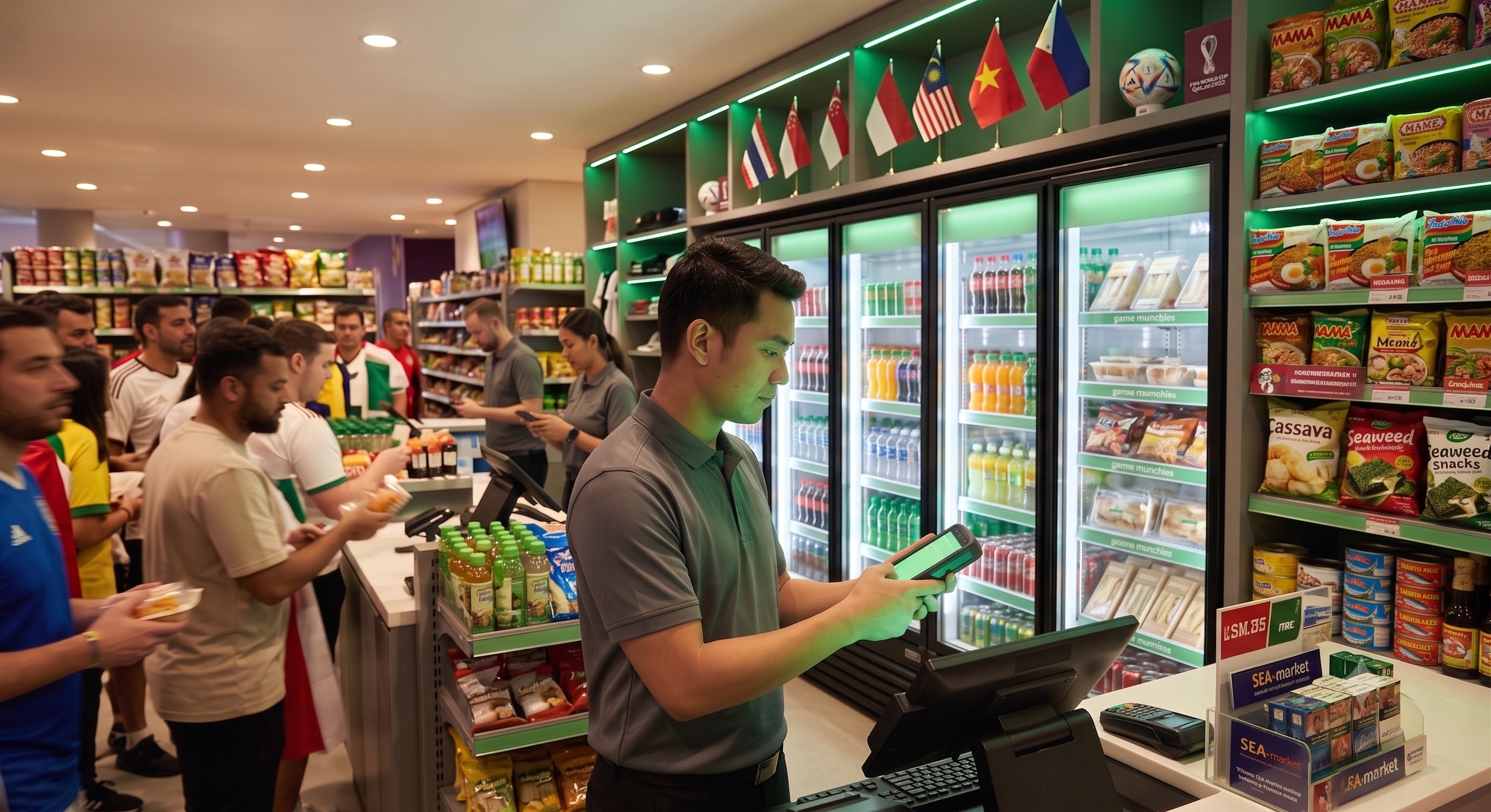
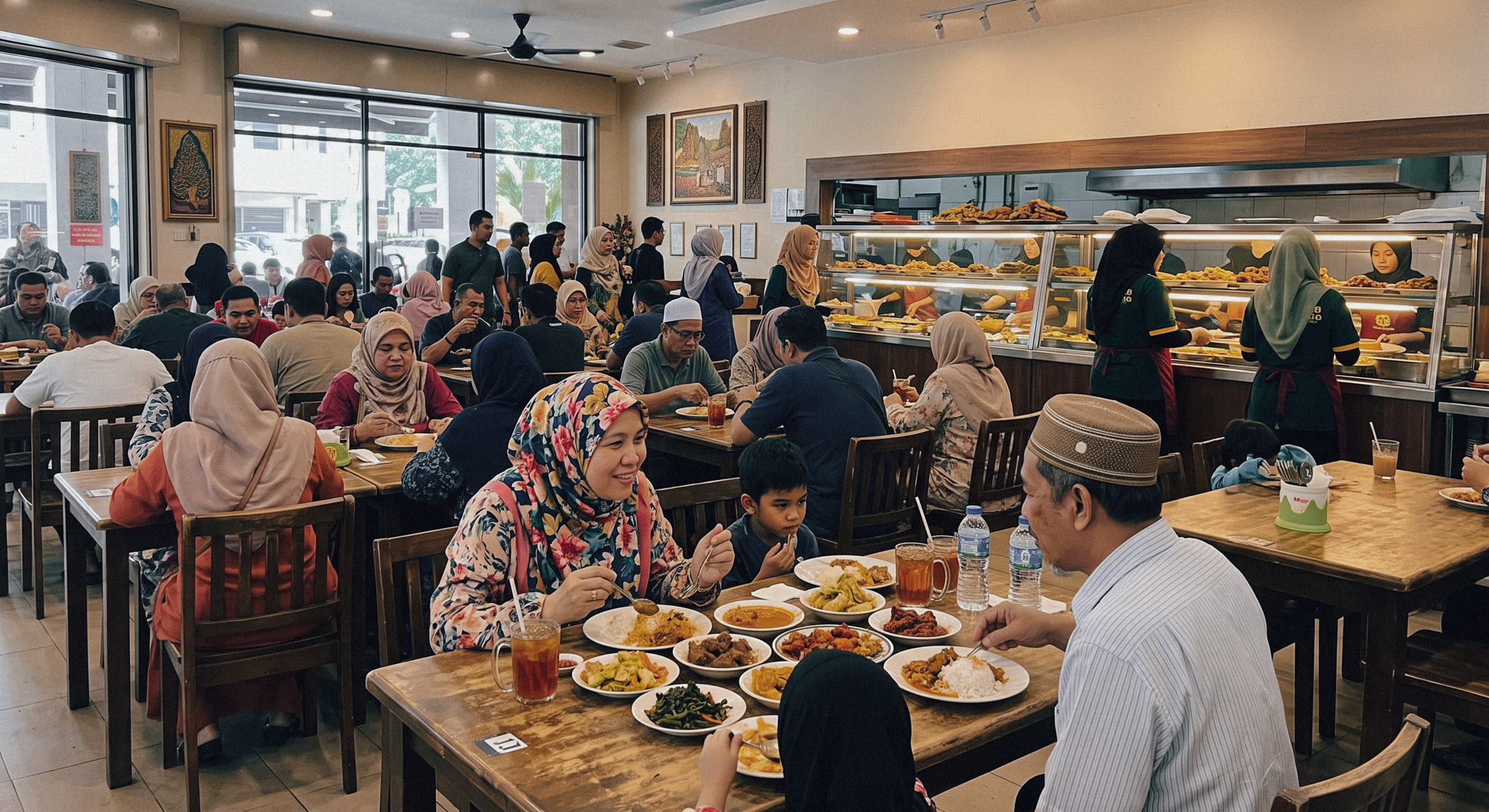
Southeast Asia represents the most attractive and strategic market for F&B brand expansion. Home to over 240 million Muslim consumers accounting for 42% of the total ASEAN population, the regional Halal F&B market commands consumer spending exceeding $200 billion.
However, capturing this massive growth opportunity hinges entirely on a company’s ability to navigate diverse local Halal regulations. For C-suite executives, viewing Halal compliance as a mere administrative checklist is a fatal miscalculation, it requires absolute operational discipline. As kitchen networks scale from 10 to 100 outlets across borders, technical regulatory variations, ranging from vendor supply-chain traceability to physical kitchen zoning, create operational friction that quietly erodes EBITDA margins through ballooning audit costs, regulatory fines, and sudden operational shutdowns.
The financial stakes are high: Grand View Research says that Southeast Asia makes up more than 40% of the global Halal market, which is expected to be worth $3.9 trillion by 2030. McKinsey & Company says that operational leakages on the front lines can cost a company 3% to 5% of its EBITDA margin.
To capture this multi-trillion-dollar market and safeguard brand valuation, F&B leadership must adopt operational digitization, transforming cross-border regulatory complexities into cost efficiencies that directly protect profitability.
Preventing Operational Risk: Halal Regulation Across Southeast Asia Cannot Be a One-Size-Fits-All Approach
Corporate management often mistakenly assumes that Halal standards are identical across Southeast Asia.
In Indonesia, for example, halal compliance demands completely seamless, end-to-end supply chain visibility. This is because the Halal Product Assurance System (SJPH) regulated by BPJPH and MUI requires every raw material to carry clear documentation tracing its origins all the way to the consumer’s plate. In fact, BPJPH data shows that over 65% of Halal certification delays or cancellations for mid-to-large F&B businesses stem directly from incomplete third-party raw material documentation.
Meanwhile, in Malaysia, the focus of Halal compliance shifts significantly. Implementing JAKIM’s MS 1500 standard demands absolute equipment segregation and strict sanitation protocols. The Market Audit & Food Safety Report shows that 1 in 3 JAKIM audit failures is caused by cross-contamination from unclear equipment zoning and sanitation workflows. This underscores the need for F&B kitchens in Malaysia to adopt more structured daily operating procedures for zoning and sanitation.
To execute a successful expansion strategy, executive teams must tailor their regulatory approach to each specific country rather than treating compliance as a uniform requirement. The table below summarizes the varying regulatory priorities, underlying drivers, real-world evidence, and operational implications across four key Southeast Asian markets:
1. Indonesia (BPJPH & MUI)
- Regulatory Focus: Traceability
- Compliance Issues & Dynamics: The Halal Product Assurance System (SJPH) demands unbroken supply chain visibility, requiring full traceability documentation for raw materials from source to plate.
- Research Data / Evidence: A PwC study (The Halal Industry Ecosystem) notes that even minor gaps in supply chain documentation can trigger certification revocation and immediate operational halts.
- Operational Impact & Implications: Real-time supply chain document tracking is essential to prevent kitchen operations in Indonesia from grinding to a halt due to regulatory penalties.
2. Malaysia (JAKIM)
- Regulatory Focus: Strict Layout & Sanitation
- Compliance Issues & Dynamics: The MS 1500 standard demands physical precision in the workspace, where JAKIM eliminates contamination risks through absolute equipment segregation and deep sanitation protocols.
- Research Data / Evidence: An FAO report shows that improper workflow segregation in F&B kitchens directly causes cross-contamination, triggering costly re-audits.
- Operational Impact & Implications: Kitchens in Malaysia require far more structured daily operating procedures regarding sanitation workflows and equipment zoning.
3. Philippines (NCMF & Private)
- Regulatory Focus: Third-Party Logistics Oversight
- Compliance Issues & Dynamics: Operating in a Muslim-minority country carries high external contamination risks, requiring strict controls over shared warehousing and third-party logistics vendors.
- Research Data / Evidence: Field data shows that 70% of contamination risks in minority-Muslim markets occur during transit and storage by third-party providers.
- Operational Impact & Implications: F&B brands need rigorous receiving-area verification protocols before raw materials are processed further.
4. Thailand (CICOT)
- Regulatory Focus: Food Safety Integration
- Compliance Issues & Dynamics: Halal regulations are aligned with global manufacturing standards under the “Halal Kitchen of the World” vision, integrating Halal audits directly with HACCP and GMP.
- Research Data / Evidence: A Harvard Business Review study confirms that aligning regulatory audits with global food safety standards reduces operational error rates by up to 35%.
- Operational Impact & Implications: Standard operating procedures in Thailand must consolidate Halal compliance and food safety checks into a single, integrated workflow.
Streamlining Compliance Complexity into Operational Efficiency
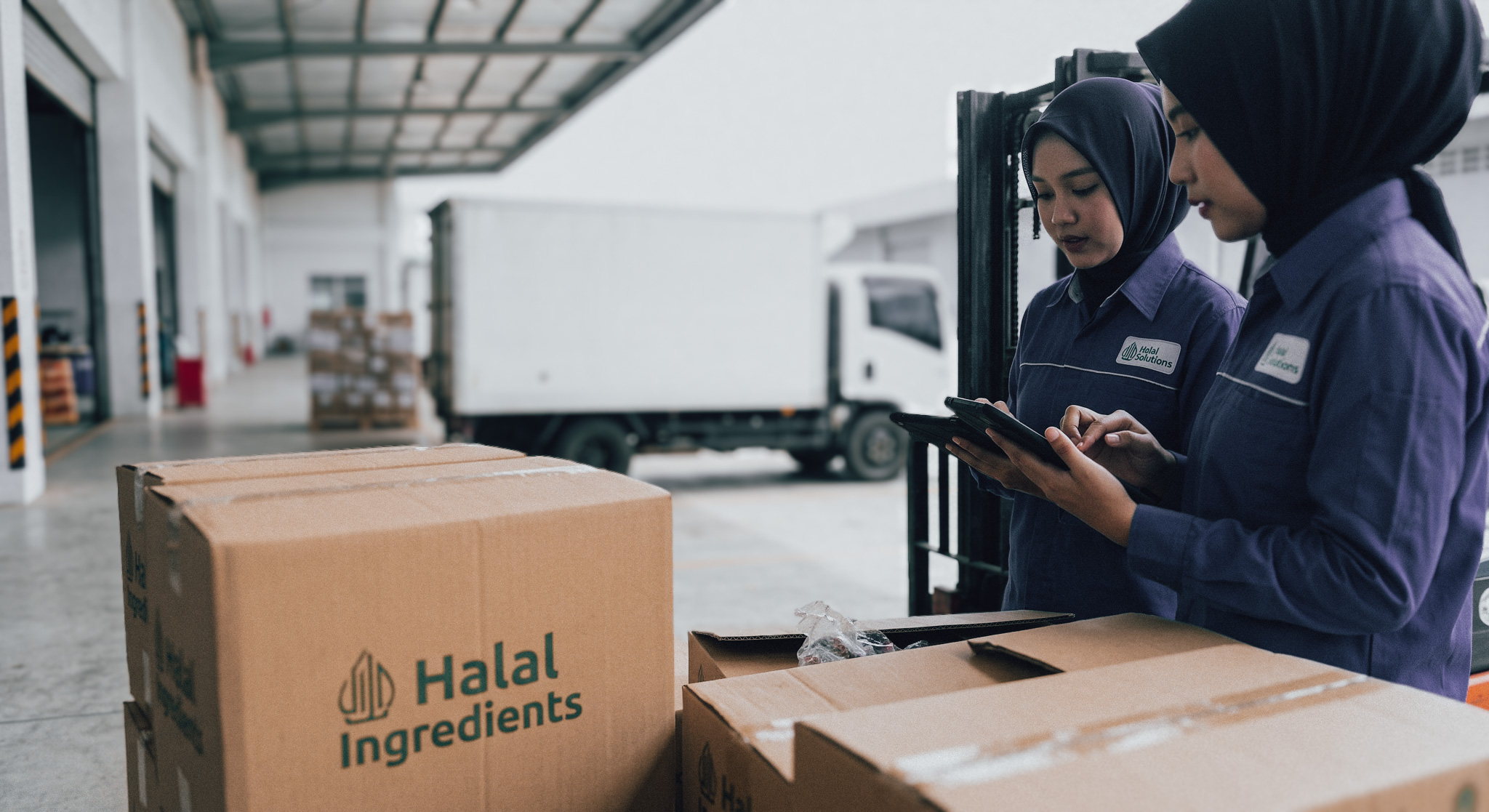
Relying on kitchen managers in Manila, Bangkok, or Jakarta to manually memorize cross-border Halal regulations using paper checklists is a high-risk gamble that inevitably triggers operational failure. As multi-outlet operations scale, heavy reliance on human memory and physical paperwork causes procedure deviations and human error to surge exponentially at the frontline level. According to research by Harvard Business Review, manual reporting systems in frontline operations suffer from error rates of up to 40%, a dangerous vulnerability in the F&B sector that can lead to the sudden revocation of operating licenses. This high rate of manual failure underscores the urgent need for a transition toward an integrated operational system, ensuring local compliance standards are executed consistently across every branch.
For this reason, frontline operational digitization via Nimbly Technologies that is powered by an AI-driven operating system will transform complex regional Halal regulations into simple daily workflows for kitchen teams. Studies by PwC and McKinsey & Company demonstrate that app-based compliance automation reduces daily procedural errors by up to 42% while cutting audit-related risk management costs by 25%.
For SEA expansion, adopting a digital platform like Nimbly is no longer just about regulatory adherence; it is a decisive, strategic leverage point to safeguard margins and dominate the Southeast Asian F&B market.
We would love to partner with you to streamline your operations. Request a free consultation today to get started!